

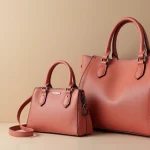








Tracing a City on Foot with a Celine bag
Chapter I—Why I Record My Days While Traveling
My name is Rowan Hale, and I travel alone often enough to notice how easily details disappear once a day ends. Experiences feel complete while they are happening, yet memory edits them quickly, smoothing over decisions and removing the tension that made them real. I record my days because I want to preserve how they actually unfold, not how they later get simplified.
This trip began without a defined goal. I didn’t outline routes or decide in advance what deserved attention. I arrived knowing I would spend most of the day outside, allowing the city to guide direction rather than following a plan. That lack of structure is intentional. It removes pressure and allows decisions to surface naturally rather than being forced.
When I move through unfamiliar places without an agenda, I notice different things. I pay attention to when I stop without meaning to, how long I stay before continuing, and which moments feel complete without explanation. These observations matter more to me than landmarks. They reveal how comfortable—or resistant—a day becomes over time.
Recording experiences this way slows me down just enough to stay aware. It creates a pause between action and reflection, preventing the day from slipping past unnoticed.Over time, this habit has changed how I travel. I focus less on collecting places and more on understanding how my choices, pace, and surroundings interact across long hours outside.
Chapter II—A Route That Unfolded One Turn at a Time
I stepped out without consulting directions, letting intersections decide where I went next. Streets shifted gradually, changing character block by block. I followed continuity instead of efficiency, trusting that distance would accumulate without my tracking it.
I stopped often, though rarely for long. Sometimes it was to stand still and observe. Other times it was because something interrupted my momentum. These pauses shaped the rhythm of the day as much as the walking itself.
During one of those pauses, near a busy crossing, I realized I hadn’t adjusted what I was carrying since I left. That absence of correction caught my attention. The Celine bag I had chosen stayed stable throughout those early hours, never pulling forward or requiring repositioning. I acknowledged the thought once and let it go, returning my attention to the street ahead.
Long routes expose discomfort slowly. Imbalance, awkward access, or internal disorder usually surface after repetition. As distance accumulated, nothing demanded attention.What I carried remained consistent enough to fade from focus, allowing me to stay engaged with changing surroundings and unplanned turns instead of managing an object alongside them.
Chapter III—Interruptions That Redefined the Route
The longer I stayed outside, the less linear the route became.Streets closed unexpectedly, pedestrian flow shifted, and what looked direct on the surface often wasn’t once I reached it. I adjusted without much thought, letting detours become part of the day rather than interruptions to it.
I stopped frequently, but not in ways that felt deliberate.Sometimes it was to let a group pass. Other times it was simply because a side street pulled my attention away from where I thought I was headed. These pauses created a rhythm that felt responsive rather than controlled.
Each stop tested how easily I could resume without friction. I didn’t have to rearrange anything before moving again. There was no hesitation or mental checklist before continuing. That absence mattered more than I expected, keeping the day fluid instead of fragmented.
Travel exaggerates small inefficiencies. What feels minor early on becomes tiring when repeated dozens of times. As hours accumulated, I paid attention to whether any part of the routine began to irritate me. Nothing did. I stayed focused on where I was rather than managing what I carried, allowing the city to remain engaging instead of overwhelming.
Chapter IV—How Personal Style Holds Up Away From Routine
Travel strips style down to its most functional elements.Without familiar environments or predictable schedules,clothing and accessories either adapt or reveal their limits quickly.I don’t dress differently for trips,but I do become more aware of how each choice performs across long hours outside.
I value consistency more than expression when I’m away from home.Items that require attention or adjustment feel out of place when the day keeps changing.What works best is what integrates smoothly, allowing me to move through different settings without feeling misaligned.
This is why I often reflect on Celine women’s styles as a reference point—not in terms of trends, but as an approach rooted in proportion and balance that translates well beyond controlled environments.
The appeal lies in how such an approach supports real days rather than staged moments. Style becomes a framework instead of a focal point. As I moved between neighborhoods with different expectations, I didn’t feel the need to recalibrate how I presented myself. Everything remained coherent, keeping my attention on experience rather than adjustment.
Chapter V—What I Carry,and What Slowly Adds Up
As the day continued, I became more aware of how small things accumulate without announcement. A folded layer picked up earlier. A receipt I didn’t want to lose yet. Personal items that tend to follow long hours outside. None felt heavy alone, but together they formed a quiet test of balance and organization.
I noticed how little effort it took to keep everything in order. Items returned to their place without conscious thought. I didn’t pause to reorganize before continuing. That ease made a difference over time, allowing attention to stay outward instead of focused on logistics.
I sat briefly on a low wall near a busier stretch of the city, watching people pass without interacting. When I stood again, there was no hesitation. Nothing had shifted or been misplaced.
Travel teaches discipline. Anything unnecessary reveals itself quickly once hours stack up. What remains earns its place through repetition rather than intention. As distance accumulated, I appreciated not having to think about what I carried at all. The day felt uninterrupted, and that continuity became one of its defining qualities.
Chapter VI—Shapes That Stay Consistent Over Time
Extended use changes how design reveals itself. What seems appealing in isolation often behaves differently once it becomes part of a long, unscripted day. Some shapes soften too much. Others resist adaptation until they become uncomfortable. Balance shows itself through repetition, not theory.
I found myself thinking about Celine-inspired silhouettes as a practical idea rather than a stylistic one. Shapes that rely on proportion instead of excess tend to remain reliable over time. They don’t ask for reinforcement through novelty. They hold their character even as conditions change.
As hours continued, that consistency mattered. I didn’t feel the need to compensate for anything I was carrying. There was no moment of adjustment simply to relieve irritation. Structure held without insisting on attention.
That reliability created a quiet sense of trust.I could focus on where I was, how far I wanted to go, and when to stop without factoring in discomfort. When design performs this way, it fades into the background, allowing experience to take precedence.
Chapter VII—When the Day Refuses to End Early
At some point, I stopped estimating how much longer I would stay outside. The day extended without clear transitions. I moved through areas that hadn’t been part of any initial intention, following paths that felt continuous rather than purposeful.
Fatigue arrived gradually, settling in without urgency. I adjusted pace slightly, paused when necessary, and continued without reassessing the entire day. Extended time outside tends to expose weak points.Minor inconveniences that felt insignificant earlier can become exaggerated later on.
I paid attention to whether anything began to irritate me as hours accumulated. The absence of irritation stood out. Nothing demanded correction or relief. The city stayed engaging because nothing disrupted the flow I had settled into.
Stops felt temporary rather than final. I didn’t feel the need to cut the day short. That endurance shaped the experience more than any specific location. The city remained interesting not because it was spectacular, but because nothing worked against the rhythm I had found.
Chapter VIII—When an Object Becomes Invisible
Standing near a crowded crossing, waiting for space to open,I reviewed the day in my head. I realized how little attention I had given to what I was carrying. That realization mattered precisely because it came so late.
The Celine bag had accompanied me through every stretch of the day without asking to be acknowledged. It didn’t pull, shift, or demand adjustment. It held everything I needed and then disappeared from awareness, allowing the day to unfold without interruption.
I stood there longer than necessary, watching people move past, aware that this kind of invisibility is rare. Most objects insist on presence through discomfort or distraction. This one did neither.
After crossing, I continued on without elaborating further. The absence of friction had already defined the experience. As the day drew toward its end, my attention remained on surroundings and decisions rather than logistics.
Chapter IX—Returning Without Needing to Reconstruct the Day
Eventually, I returned to where I was staying, not because the day demanded an ending, but because I felt complete enough to stop. I let the transition inside happen gradually, without forcing separation from the outside.
Unpacking happened slowly. Items came out in the order they were needed, which felt unplanned yet logical. Nothing was misplaced. Nothing required searching. I reset everything for the following day guided more by habit than intention.
What stayed with me wasn’t a particular street or moment, but the overall ease of the day. There had been no need to adapt my behavior to compensate for discomfort or inconvenience. Decisions remained focused on direction and curiosity rather than management.
When a day ends without residue—without irritation overshadowing experience—it becomes easier to remember accurately. I didn’t feel the urge to analyze further. The absence of conflict had already defined the outcome.
Chapter X—What This Day Changes Going Forward
Each trip leaves behind a subtle shift in how I prepare for the next one.Over time, these shifts accumulate, reshaping habits without ceremony.I travel lighter now, choosing consistency over variety and usefulness over novelty.
This day reinforced that approach. It reminded me that continuity matters more than display, and that reliability often outweighs excitement. What supports experience without competing for attention becomes essential.
I often think about how people describe Celine modern leather goods in this context—not as objects of display, but as examples of consistency built through proportion and use rather than excess. That idea resonates with how I want my days to feel when I’m away from routine.
With that in mind, I consider this entry complete.Not because everything was captured, but because nothing was lost along the way.